

American Lyric Theater is currently in the midst of a CLDP cycle and will not be accepting new applications for the program during 2025. Please sign up for our mailing list to be kept up to date on the next cycle of the CLDP, as well as other opportunities for opera writers through ALT.
About the CLDP
Launched in 2007, the Composer Librettist Development Program (CLDP) is recognized internationally as the preeminent training program for opera composers, librettists, and dramaturgs; and remains, to this day, the only full-time professional mentorship initiative for operatic writers in the country.

Until ALT started the Composer Librettist Development Program (CLDP), there was not a single full-time training program for opera composers and librettists at any opera company in the United States. Almost every opera company in the country had a Young Artist Program to mentor emerging singers, and over the past 50 years, these programs have proved immensely successful at improving both the artistic level and the career success of American singers around the globe. The CLDP was created to address the absence of robust mentorship for our writers with the goal of diversifying and expanding the scope of who is writing for the opera stage.
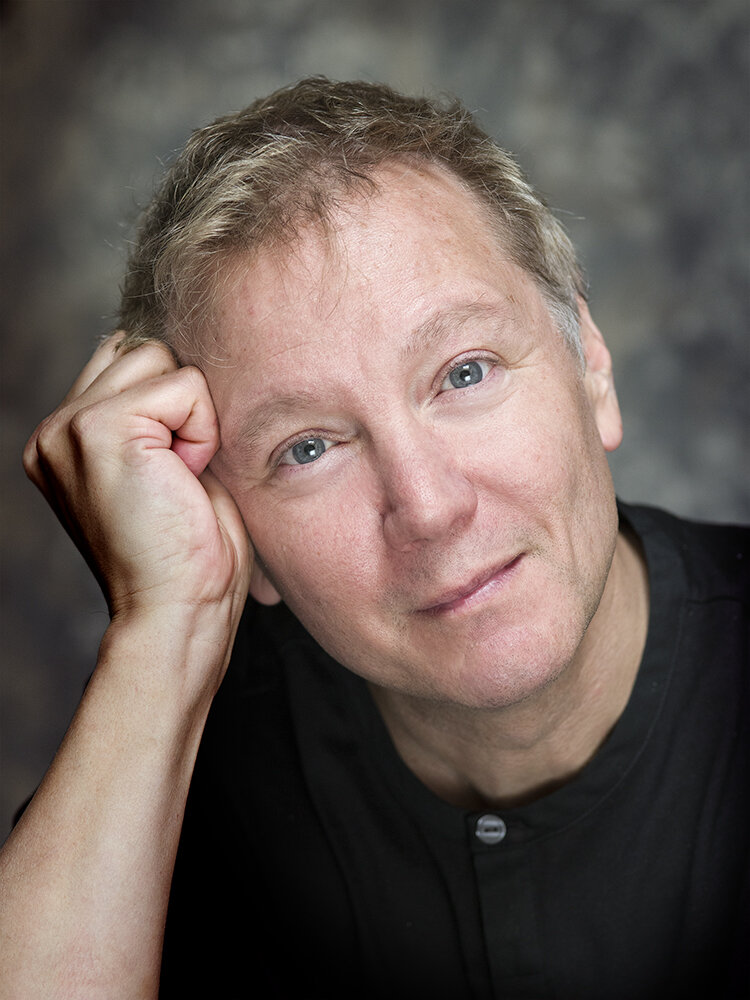
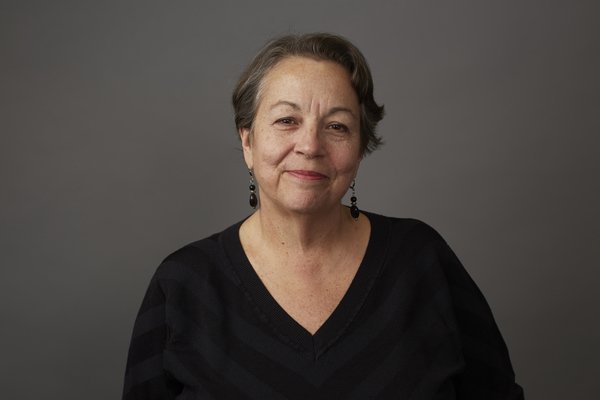
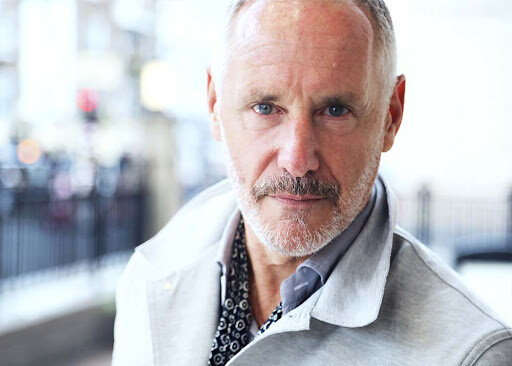
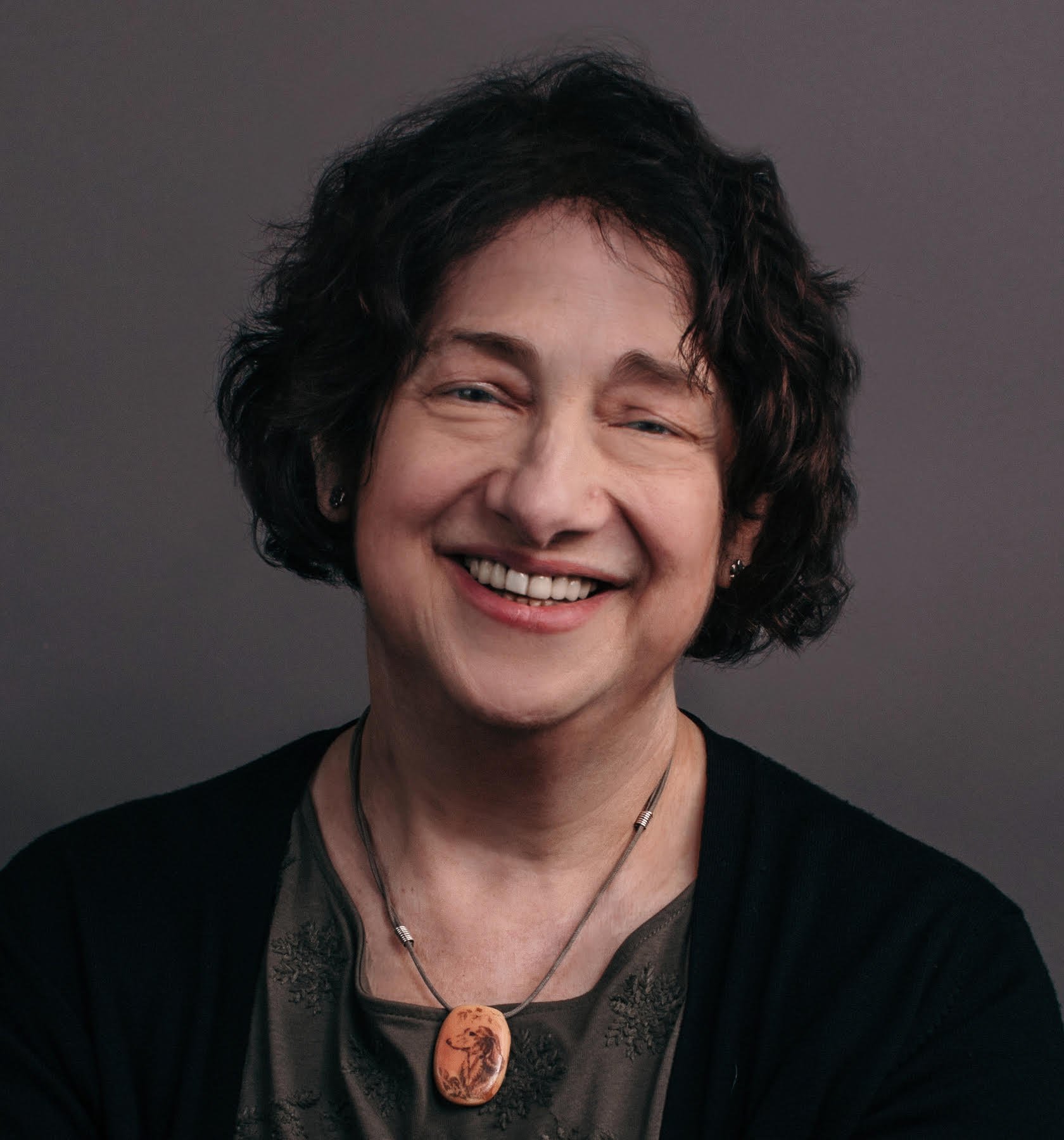
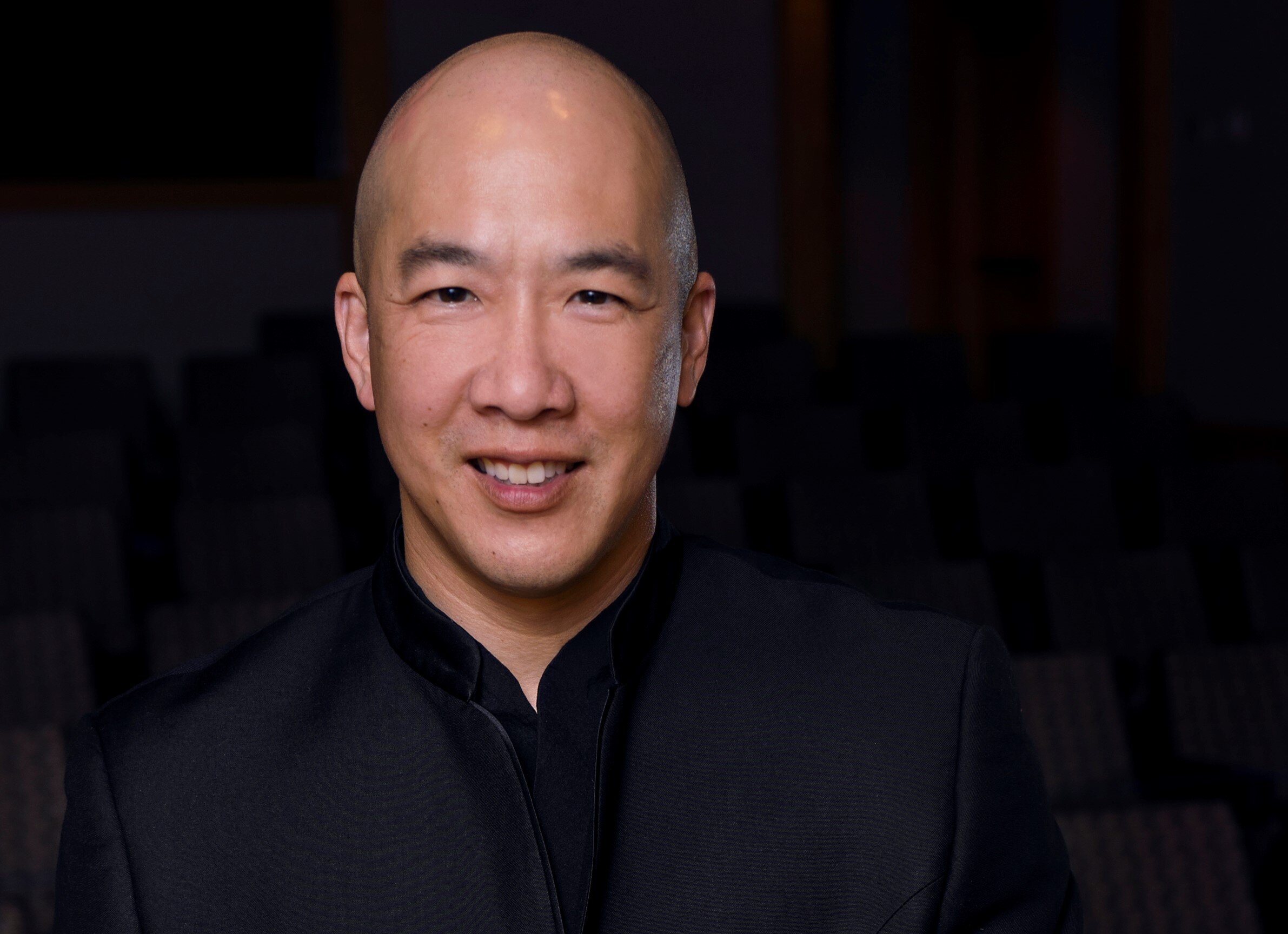
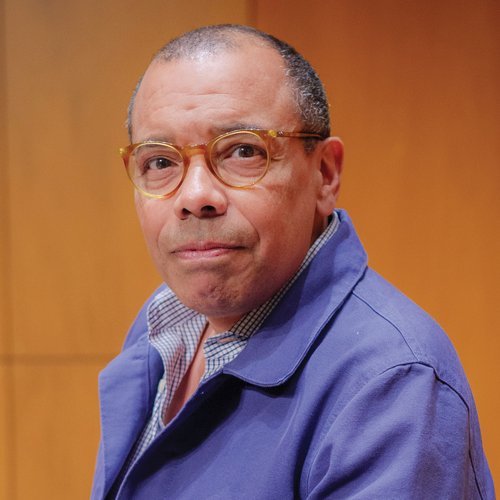
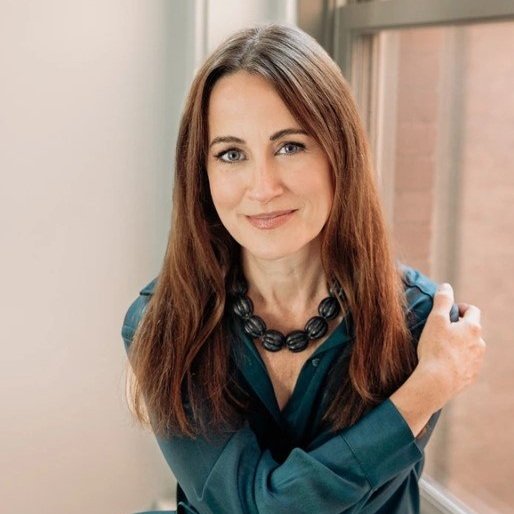
The CLDP is a tuition-free program that includes a core curriculum of classroom training and hands-on workshops with some of the country’s leading working artists. Artist mentors for the 2024-25 season will include ALT’s founder and Artistic and General director Lawrence Edelson; dramaturg Cori Ellison; composer/librettist Mark Adamo; composer Scott Davenport Richards; librettists Deborah Brevoort, Mark Campbell and Deborah D.E.E.P. Mouton; mezzo soprano Adriana Zabala; and ALT’s Associate Artistic Director and conductor Kelly Kuo.

ALT will welcome the next cohort of CLDP Resident Artists in September 2024. Artists accepted into the CLDP receive intensive professional mentorship as they develop their unique voices as writers for the opera stage. The first year of the program is dedicated to process and is comprised of over 250 hours of intensive classes and workshops from September 2024 through June 2025. Participation in the program is a significant commitment. The first year of the CLDP is akin to a masters program, with virtual classes two to three times per week, and multiple writing and collaborative assignments throughout the year.
In recent cycles of the CLDP, we have offered the program through a combination of virtual classes and in-person residencies in New York City. During the 2024-25 season, we will again offer the program through a combination of virtual and in person classes; however, due to budget limitations, we are not able to provide housing and travel for artists from outside the greater New York City area. We regret that this change is necessary this year, however artists from outside of the New York City area are welcome to apply for and participate in the program with the understanding that travel and housing for the four weeks in New York are not provided.
The CLDP is completely tuition-free. During the first year of the program in the 2024-25 season, ALT will provide a stipend of $1,250 for each artist during the four weeks of in-person residency, as during these weeks, a full-time commitment to the program is required.
To date, the CLDP has provided intensive, personalized mentorship to over 50 gifted operatic writers. If you are interested in telling your stories through the unique resources that opera provides, we want to hear from you — especially if those stories have not yet been told through opera. Artists of all ages and backgrounds are encouraged to apply to the program. We strongly encourage artists from groups historically underrepresented in opera to apply, including women, non-binary, and BIPOC artists. We are committed to providing support and resources to artists who reflect the diversity and vibrancy of contemporary American society.
Eligibility and Application

Applications for the CLDP will be accepted from March 27 to April 29, 2024 for the 2024-25 Season.
Before applying to the CLDP, please review the FAQ about the CLDP, and consider the following eligibility requirements:
All artists must be considered “emerging” per ALT’s definition (see FAQ).
All artists must either live in the greater New York City area, or be available to travel to NYC for 4 weeks of in-person residency activities (1 week in October 2024; 1 week in January 2025; 1 week in April 2025; 1 week in June 2025).
All artists must be able to commit to full participation in the program.
All artists must be available for virtual weekly classes (up to 2 classes per week) scheduled on Monday, Tuesday and/or Wednesday evenings, between September 2024 and June 2025.
See also

FAQs

2024 Application Questions
Curriculum
At the center of the first year of the CLDP is ALT’s core curriculum, which consists of classroom training and hands-on workshops with some of the country’s leading working artists. In addition to our core faculty, several internationally recognized artists are invited each season to be guest mentors and performers within the classes and workshops of the core-curriculum.
The core curriculum of the CLDP is customized in response to the individual needs of the artists accepted into the program, but centers around the following workshops and classes:
Workshop – Voice Lab - Writing for the Classically Trained Voice: An intensive workshop exploring the major voice categories and types of voices within those categories.
Workshop – Libretto and Lyric Writing: An intensive residency workshop exploring forms and styles in lyric writing, and the difference in approach to writing for opera versus other musical theater forms.
Workshop – Building Blocks: A workshop/class exploring 4 major building blocks in operatic form: recitative, aria, ensemble, and chorus.
Seminar – Operatic Dramaturgy / The Balance Between Text and Music: An ongoing class exploring the relationship between text and music from Monteverdi to present day.
Workshop – The Gestus / Guided One-Act Collaboration: An extensive 6-month workshop in which composer/librettist teams are provided with a thematic scaffold upon which they develop one-act operas. Using the same outline and structure, each team develops a short one-act work.
Workshop – Directing: Composers and Librettists are guided through the process of staging opera by directing scenes from both masterworks of the repertoire, their own work, and work written by their colleagues in the program.
Contemporary Masterworks Study: Composers and Librettists will have the opportunity to study 21st-century masterworks with the artists who created them, gaining insight into the form, structure, and collaborative process behind successful works.
The Business of Writing Opera: A seminar that provides composers and librettists with a primer in legal issues related to the development of new works, marketing and self-promotion, and financial literacy.
In addition to ongoing classes and workshops, composers and librettists in the program have the opportunity to take part in residency observerships at The Metropolitan Opera. Through this partnership, ALT is able to provide artists the opportunity to explore the process of mounting fully staged operatic productions. ALT also provides opportunities for Resident Artists to meet opera company leaders from around the country so that they can showcase their work, and expand their professional network. Additional networking and membership resources are provided through ALT’s partnership with OPERA America.
Core Faculty 2024-2025

Financial Support
During the 2024-25 season, each artist accepted in the program will receive a stipend of $1,250 per week for the four full-time residency weeks required in New York City (totaling $5,000). Artists who do not live in the greater New York City area are responsible for their own travel and housing for in-person residency periods; however, ALT will assist with finding the most economical options.
Artists who successfully complete the first year of the CLDP are considered to return to ALT for an extended residency during which they will receive a commission from ALT to develop an opera. Artists who are commissioned by ALT receive fair market commission fees, paid in installments as the outline, libretto, and score are completed.